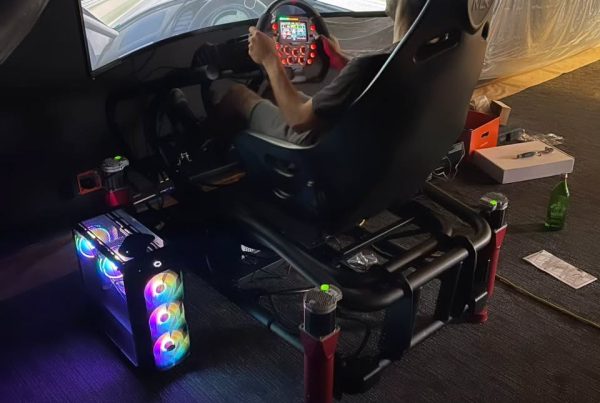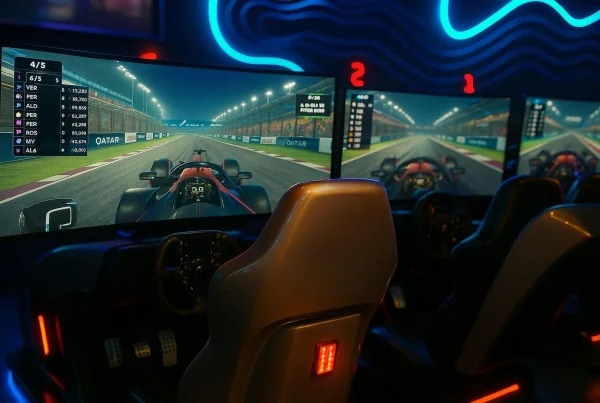

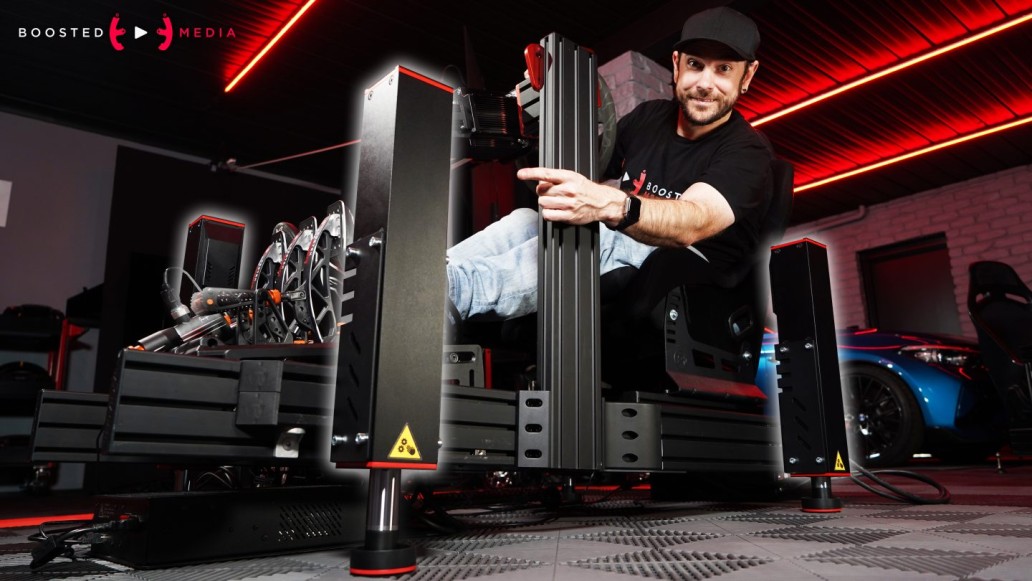
If you’ve been building out your dream SIM racing rig, you’ve probably asked yourself this question: Is a motion system really worth it? After all, adding motion can literally double the cost of your cockpit. For some setups, you’re talking an extra $4,000 to $10,000 just to bring your rig to life.
So, is it worth it?
In one word: yes.
But let’s unpack that, because whether it’s the right investment for you depends on budget, goals, and how deep you want to dive into the world of immersive racing.

Why Motion Systems Matter in SIM Racing
SIM racing is all about bridging the gap between your couch and a track like Spa, Monza, or even your favorite rally stage. Wheels, pedals, and graphics do a great job of pulling you in—but motion adds a layer that’s hard to describe until you feel it.
Here’s the key:
-
Rear-end slip feedback. Without motion, it’s hard to tell what the back of the car is doing. Is it just starting to rotate under throttle? Are you on the edge of oversteer? Motion systems let your body feel that moment in a way no visual cue can.
-
Immersion. When your rig tilts forward under braking, rolls into corners, or kicks as the rear slides, your brain starts buying into the illusion. That extra sense of “being there” keeps you more engaged.
-
Training benefits. For karting or racing drivers who want practice off-track, motion bridges the gap between sim and seat time. You’re not just seeing lap times—you’re building muscle memory.
Can You Get Feedback Without Motion?
Absolutely. Not every budget allows for a motion system, and the good news is there are other ways to get meaningful feedback.
-
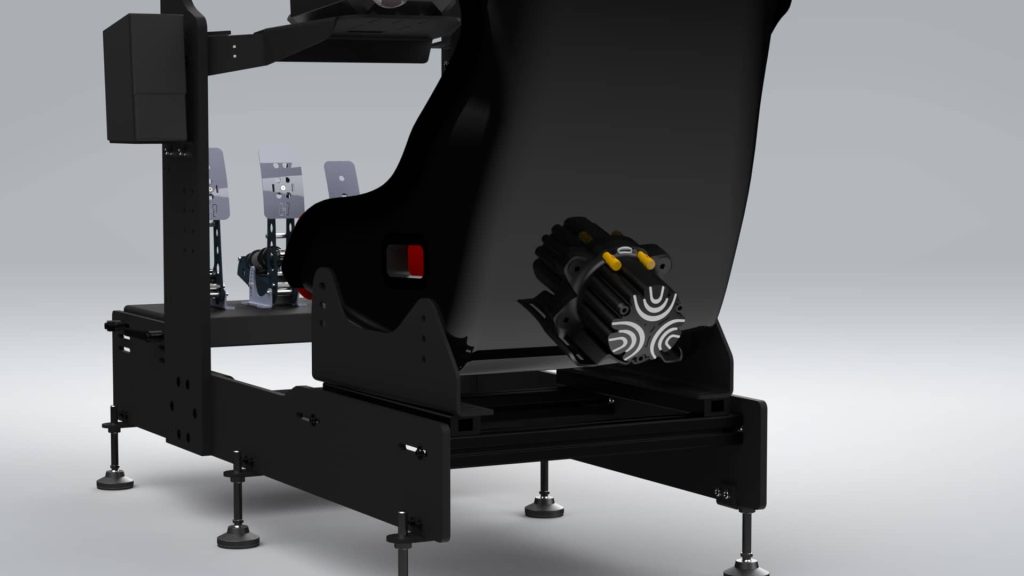
Buttkickers and haptic transducers. These little devices mount to your rig and vibrate based on engine RPMs, curbs, or traction loss. Properly dialed in, they provide a surprising amount of “seat of the pants” feel.
-
Direct drive wheels & load cell pedals. High-end steering feedback and brake pressure sensing can give you incredible connection to the car—even without motion.
-
Visual immersion. Triple monitors or VR headsets already trick your brain pretty well. Paired with haptics, you can get close to the motion experience.
If you’re just starting out, these options can keep costs manageable while still delivering a fun, immersive experience.
The Investment: Motion Will Double Your Rig Cost
Here’s the hard truth: adding a quality motion system often costs as much as the rest of your rig combined. A solid mid-range rig with direct drive, hydraulic pedals, triple monitors, and a gaming PC might run $5,000–$7,000. Throw in a motion system, and suddenly you’re looking at $10,000+.
It’s a big leap. Which is why motion is often seen as the “final step” in a sim racer’s journey. Start with the basics, get your gear dialed in, and then when you’re ready, motion takes it from “this is fun” to “this feels real.”

Sigma Integrale: A Standout American Option
Motion used to mean buying expensive European hardware, with import tariffs and long wait times. But now, U.S.-based Sigma Integrale has changed the game with their DK Motion Systems.
Why they’re compelling:
-
Made in America. No overseas shipping headaches.
-
Competitive pricing. With tariffs driving imported system costs way up, Sigma’s pricing suddenly looks very attractive.
-
In-house software. Their motion software is developed alongside the hardware, making setup smoother and performance more reliable.
-
Proven rigs. Sigma systems are being used in everything from enthusiast cockpits to professional driver training simulators.
For serious sim racers in the U.S., it’s tough to look elsewhere right now.

So, Should You Add Motion?
Here’s the bottom line:
-
If you’re new to SIM racing or working with a tight budget, start with strong fundamentals: wheelbase, pedals, display, and maybe a Buttkicker. You’ll get an immersive, competitive experience without breaking the bank.
-
If you’re already deep into the hobby and chasing that last layer of realism, motion is worth every penny. It doesn’t just make racing more immersive—it makes it more intuitive. Feeling the car instead of guessing what it’s doing is a huge step toward realism.
Final Thoughts
Motion systems aren’t cheap, but they’re the closest you’ll get to turning your basement, garage, or office into a trackside cockpit. For some, it’s the dream finish to a rig. For others, it’s something to save up for while enjoying the ride with pedals, wheels, and haptics.
Either way, motion will always be there when you’re ready—and once you try it, you’ll never want to race without it.
👉 Thinking about adding motion to your rig? Get Started with SIM Racing Works and let us help you design, build, and configure a setup that fits your budget and goals.